
Factors That Affect Plumbing Costs
Understanding the factors that affect plumbing costs can help homeowners and business owners make informed decisions when seeking plumbing services. While prices can vary widely depending on several key elements, some common factors consistently influence the overall cost of plumbing work.
1. Type of Service Required
The type of plumbing service needed is one of the most significant determinants of cost. Plumbing tasks can range from simple repairs to complex installations, each with varying levels of complexity and labor requirements.
Basic Repairs: Simple tasks such as fixing leaky faucets, unclogging drains, or replacing washers generally involve less labor and materials. These jobs are typically straightforward and can often be completed in a short amount of time.
Complex Repairs: More intricate tasks, like repairing a broken water line or addressing a significant pipe leak, require specialized skills and equipment. These repairs often take longer and may involve additional work, such as accessing hard-to-reach areas or replacing significant sections of plumbing.
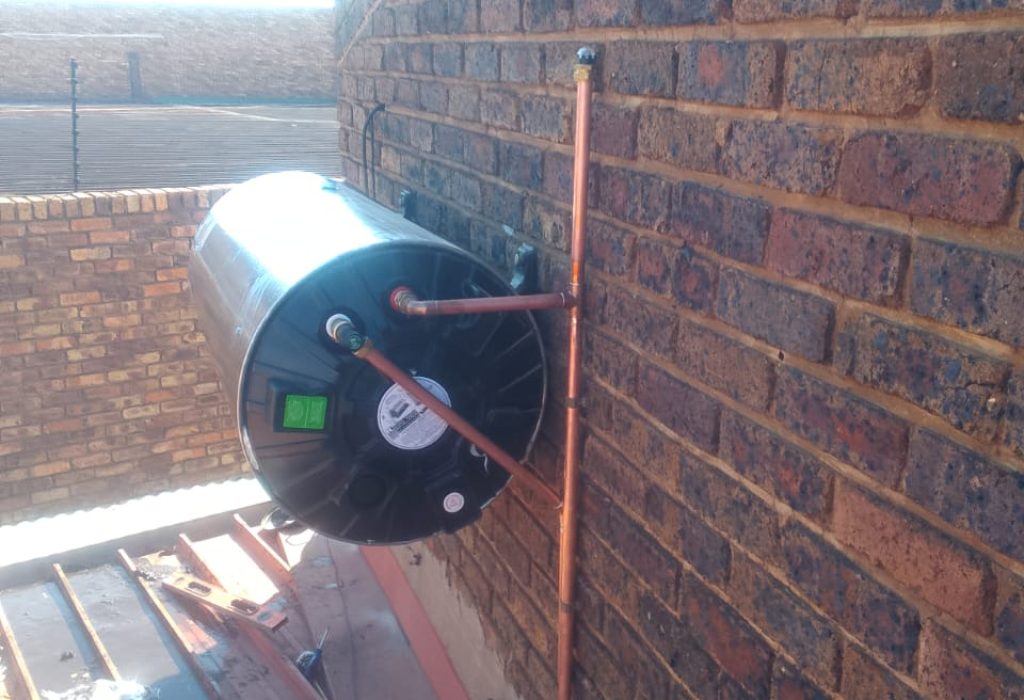
Installations: Installing new plumbing fixtures, such as water heaters, toilets, sinks, or showers, involves a higher degree of complexity. This is particularly true for custom installations or when upgrading outdated systems. The complexity and scale of these installations can vary, affecting the overall time and effort required.
2. Complexity of the Job
The complexity of the plumbing task plays a crucial role in determining the cost. Simple repairs that can be completed quickly and with minimal equipment will generally cost less than more involved projects. For example, installing a new plumbing system in a building or remodeling a bathroom involves a comprehensive plan, careful execution, and possibly dealing with unexpected issues such as outdated infrastructure or hidden leaks.
3. Materials and Equipment Used
The choice of materials can significantly impact the cost of a plumbing job. High-quality materials, such as copper piping, are more expensive than alternatives like PVC. However, these materials often offer greater durability and reliability. Additionally, specialized equipment might be needed for specific tasks, which can add to the overall expense.
4. Location and Accessibility
The physical location of the plumbing issue and its accessibility can also affect the cost. Jobs in urban areas may have higher rates due to increased demand and cost of living, while those in rural areas may be less expensive but could incur additional travel charges. Furthermore, if the plumbing issue is in a difficult-to-access area, such as behind walls or underground, it may require additional labor and equipment, increasing the overall cost.
5. Experience and Expertise of the Plumber
Plumbers with extensive experience and a solid reputation may charge higher rates due to their expertise and ability to provide high-quality service. While hiring a more affordable, less experienced plumber might seem like a cost-saving measure, it can sometimes lead to additional expenses if the work is not performed correctly.
Conclusion
When planning for plumbing services, it’s essential to consider these factors to budget effectively and avoid unexpected costs. By understanding the scope and complexity of the work, the materials needed, and the expertise required, homeowners and business owners can better navigate the plumbing service market and make informed decisions. While prices can vary, being aware of these key factors helps ensure a satisfactory and cost-effective plumbing experience.